
Multigrain Atta Ingredients: What Goes Into the Blend and How to Read the Label
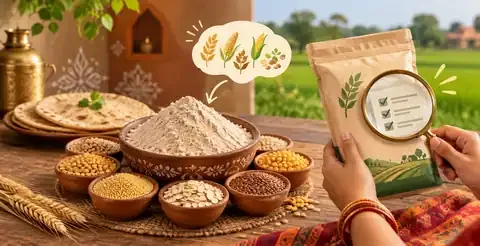
Multigrain atta ingredients typically include whole wheat as the base, plus millets such as ragi, jowar and bajra, and other grains, pulses or seeds such as oats, soybean, chana and fenugreek (methi). The exact blend and the share of each grain differ by brand, so the ingredient list on the pack is the best place to check.
Multigrain atta has become a regular on Indian kitchen shelves, from Chennai flats to metro apartments. Many households pick it up hoping to bring more variety into daily rotis, chapathis and parathas. The name sounds simple, yet what sits inside the pack changes a lot from one brand to the next.
This post breaks down the multigrain atta ingredients that usually go into the blend, what each grain contributes to the dough, and how to read a pack with confidence. It draws on FSSAI standards for the category and on the way these flours behave on the roti tawa.
What is multigrain atta?
Multigrain atta is a flour blend in which whole wheat is milled or mixed with other grains, pulses or seeds. Plain atta contains only wheat. Multigrain atta adds a second layer of ingredients, which changes the flavour, the colour and the way the dough rolls.
The terms multigrain flour, multigrain atta and multi-millet atta are often used loosely. A blend can be wheat-led with a few millets added, or it can be built mostly from millets. That is why the ingredient list matters more than the front-of-pack name.
Which Multigrain Atta Ingredients Are the Most Common?
Most multigrain atta ingredients fall into four groups: a wheat base, millets, pulses and soy, and a small share of seeds or fibre ingredients. Each group has a job in the dough.
Whole wheat (gehun): the base
Wheat is the backbone of nearly every multigrain atta. Its gluten gives the dough stretch, which lets rotis roll thin and puff on the tawa. Under FSSAI’s standard for multigrain atta, as read in a legal summary of Regulation 2.4.37, whole wheat makes up 50 to 90 per cent of the blend, and the label has to state the wheat flour percentage.
Millets: ragi, jowar and bajra
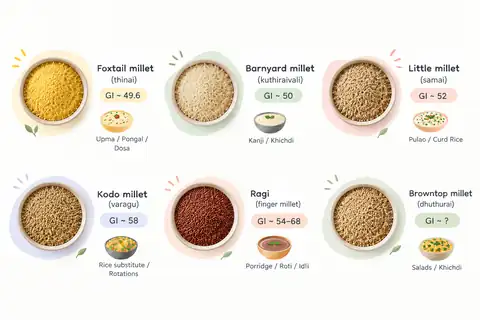
Millets are the most visible add-ins, and they set much of the flavour. A broader look at the family is in this overview of the types of millets used in Indian kitchens.
- Ragi (finger millet, kezhvaragu): earthy and slightly sweet, with a darker colour that tints the roti.
- Jowar (sorghum, cholam): mild in taste with a lighter colour and a soft bite.
- Bajra (pearl millet, kambu): nutty and a little sweet, with a firmer, more rustic texture.
Pulses and soy: chana and soybean
Chana (Bengal gram) and soybean flours are common in packs that highlight protein. They add a mild, beany note and make the dough slightly denser. A little goes a long way, because too much can make rotis break at the edges.
Seeds and fibre: methi, isabgol and wheat bran
Fenugreek seeds (methi, venthayam), psyllium husk (isabgol) and wheat bran appear on the permitted list in the same FSSAI standard. These ingredients add fibre and help hold the dough together. Some brands also add oats, barley (jau) or maize (makka), which vary by manufacturer.
How do you read a multigrain atta label?
The label lists the multigrain atta ingredients in order of share, which says more than the front of the pack. A quick routine works well:
- Check the first ingredient. Ingredients are listed from the largest share to the smallest, so whole wheat should lead in a wheat-based blend.
- Look for the wheat percentage. The standard calls for it to be stated, which shows how much of the pack is the blend.
- Read the grain and pulse names. Specific names such as ragi, jowar, and chana give more information than a general phrase like “mixed grains”.
- Note the allergen line. Wheat contains gluten, and soy is a common allergen, so both are declared on the label.
- Match the dates. Manufacture and best-before dates show how fresh the flour is.
Is multigrain atta the same as millet atta?
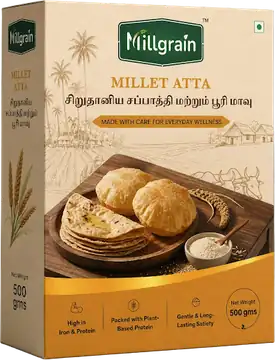
The two are different products. Multigrain atta ingredients are wheat-led, with other grains blended in. Millet atta is built mainly from millets, so the dough has less gluten and a different feel in the hands. For households that want a millet-led flour, a millet atta listed as a multi-millet flour for chapathi, poori and dosa is one example.
How does a multigrain flour behave in the kitchen?
Wheat gluten gives the dough its stretch, and the other grains change how much water it takes and how soft the roti turns out. A few habits help across most blends:
- Knead with warm water and rest the dough for 15 to 20 minutes.
- Roll slightly thicker than for plain atta, since blends with more millets tear more easily.
- Cook on a hot tawa and press gently so the roti puffs evenly.
How should you store and choose multigrain flour?
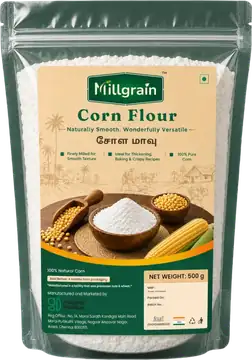
Flours that carry bran and other grains go stale sooner than refined flour, so smaller packs used within the printed best-before date give the best flavour. Store them in an airtight container in a cool, dry spot. The same habits suit every pantry staple, including the grains and flours in the Pure Organic foods range at gdfarmfresh.
Rotating among several flours is another way to keep the weekly menu varied, from wheat blends to millet flours and pulses. The range of whole grain staples at gdfarmfresh makes it easy to see the other grains used in these blends.
For batters, ready flours and mixes, the flour batter mix category lists more options for quick meals.
Quick Tips
- Read the percentage of wheat first. It is the quickest way to see how far a pack goes beyond plain atta.
- Look for named grains. “Ragi, jowar, bajra” tells you more than “mixed millets”.
- Start with small packs. A new blend can taste and roll differently from the last one.
- Mix a spoonful of the dry flour into a little water to see the colour and smell before committing to a big pack.
- Note which blend your family prefers, then repeat it.
Frequently asked questions
Does multigrain atta contain gluten?
Yes. Wheat is the main ingredient in multigrain atta, so it contains gluten. People with coeliac disease or a wheat allergy should check with a doctor before using any atta blend.
How much wheat should a multigrain atta contain?
FSSAI’s standard for multigrain atta, as read in the legal summary linked above, places whole wheat between 50 and 90 per cent. The label must show the wheat flour percentage, so the remaining share tells you how much goes to other ingredients.
Why do my multigrain rotis turn hard or crumble?
Dough made from blends with several millets needs a little more water and a longer rest than plain atta. Knead well, rest the dough for 15 to 20 minutes, and roll slightly thicker.
Can I mix multigrain atta ingredients at home?
Yes. Keep whole wheat as the majority, in line with the 50 to 90 per cent range used for packaged multigrain atta, and mill small batches of ragi, jowar or other grains so the flour stays fresh.
Is multigrain atta suitable for people managing blood sugar?
That depends on the blend, the portion, and the rest of the meal. A label lists ingredients and leaves medical advice to professionals, so a doctor or dietitian is the right person to advise on flour choices for diabetes.